


COPS Curriculum
At Chipping Ongar Primary, our curriculum is underpinned by our 3 core values:
▪ Be Resilient
▪ Be Respectful
▪ Be Responsible
We believe that all children should feel confident and experience the feeling of accomplishment in a wide range of areas. Our curriculum therefore gives pupils an excellent mix of academic and personal development; it gives equal importance to core and foundation subjects; physical wellbeing and mental well-being are both valued, understood and prioritised by our careful consideration of curriculum design. Spiritual, moral, social and cultural development, along with a well-planned and structured programme of personal development underpins all our work and is monitored as closely as academic subjects.
We carefully balance the requirement for pupils to reach national expectations in core subjects with our wider curriculum aims of providing a full spectrum of thoughtful and enriching experiences. As much as we value the progress and fulfilment of our pupils academically, we strive to offer them a rich and varied arts curriculum too. Alongside offering our children a carefully mapped progression of skills within Art/D&T, Dance and Music, we try to enable the children to practice and incorporate these skills across all subjects, giving them the opportunity to express their learning in a variety of ways. As a result of this, our pupils leave us as thoughtful, responsible citizens with a sense of pride in themselves and their achievements. Each week, there are ’Culture Capital’ assemblies in classes and as a whole school to learn about the wider world outside the village of Ongar. At our school, the children in our care are at the heart of everything we do. We believe that all children are unique and must be celebrated for the special gifts and talents that they possess. Our curriculum is carefully organised for a mastery-for-all, in depth approach.
We define progress as:
▪ The widening and deepening of essential knowledge, skills, understanding and behaviours.
▪ Ensuring our pupils do not merely cover the curriculum but build upon links identified throughout each subject in a cross-curricular way.
▪ Through repetition our pupils gain a deeper and more insightful understanding of matters, skills and processes within subjects and the links to prior learning or skills helps it to ‘stick’.
▪ We refer to the ‘cognitive domains’ of Working Towards, At Expected and Greater Depth to describe the nature of progression. This involves changing the nature of thinking rather than just acquiring new knowledge.
English - Reading and Phonics
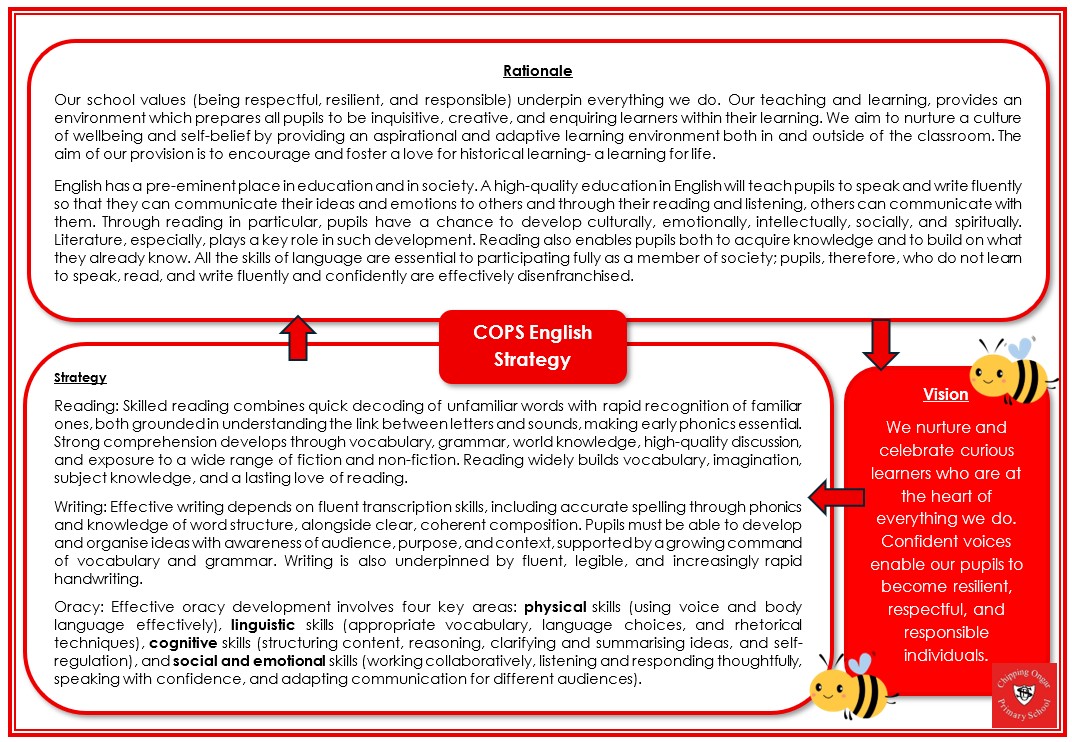
English - Oracy and Writing
Oracy
Chipping Ongar Primary School curriculum for Oracy consists of 4 dimensions:
- Physical- voice, body language.
- Linguistic- vocabulary, language, rhetorical techniques.
- Cognitive- content, structure, clarifying & summarising, self-regulation, reasoning.
- Social and Emotional- working with others, listening & responding, confidence in speaking, audience awareness.
Writing
The programmes of study for writing at key stages 1 and 2 are constructed similarly to those for reading:
- Transcription (spelling and handwriting)
- Composition (articulating ideas and structuring them in speech and writing).
It is essential that teaching develops pupils’ competence in these two dimensions. In addition, pupils should be taught how to plan, revise, and evaluate their writing. These aspects of writing have been incorporated into the programmes of study for composition.
Writing down ideas fluently depends on effective transcription: that is, on spelling quickly and accurately through knowing the relationship between sounds and letters (phonics) and understanding the morphology (word structure) and orthography (spelling structure) of words. Effective composition involves forming, articulating, and communicating ideas, and then organising them coherently for a reader. This requires clarity, awareness of the audience, purpose and context, and an increasingly wide knowledge of vocabulary and grammar. Writing also depends on fluent, legible and, eventually, speedy handwriting. also supplement our planning with the use of Literacy Shed to use high quality video and film footage to inspire and engage. We regularly refer to Phonics Play, Grammar Hammer, Literacy Shed and Pie Corbett to supplement the National Curriculum.
We follow The English Kit 2020 as our core English Curriculum. The 2014 Primary English Curriculum provides limited progression and broad objectives. This document provides smaller learning steps based on these and a more detailed progression. Furthermore, it suggests additional objectives where gaps or weaknesses have been identified. All objectives derived from the National Curriculum, or the Statutory Framework for the Early Years Foundation Stage are typed in black. Additional objectives are typed in purple. Teaching both will lead to a more rounded and complete English curriculum for your school. Objectives which directly contribute towards the Early Learning Goals or the statements in the Teacher Assessment Frameworks appear in bold. Be aware that the Teacher Assessment Frameworks refer to key stages not Y2 and Y6. Therefore, these objectives will be found scattered across year groups. Key objectives are underlined. These are the most important objectives in each year group. They must be mastered in the year group in which they appear.
|
Spoken Language |
Reading |
Writing |
Transcription |
|
· Speaking · Listening · Discussion · Drama |
· Becoming a reader · Word Reading · Fluency · Comprehension · Becoming a Researcher |
· Planning · Composing · Evaluating · Grammar · Punctuation |
· Spelling · Handwriting and Presentation |
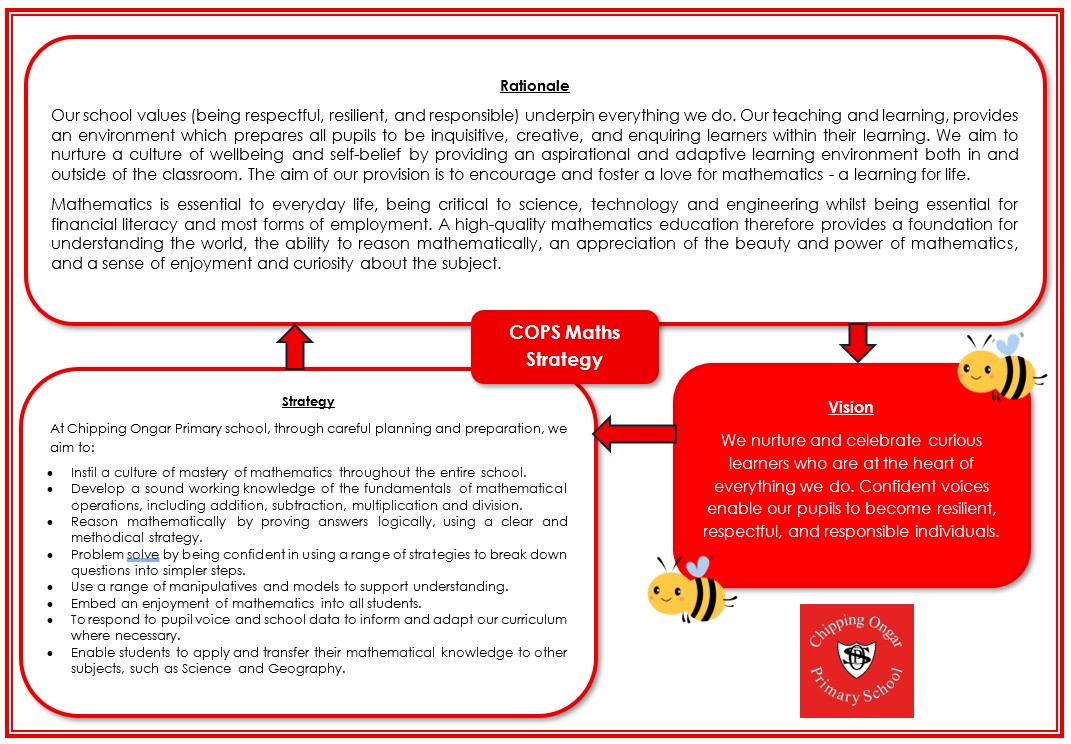
Mathematics
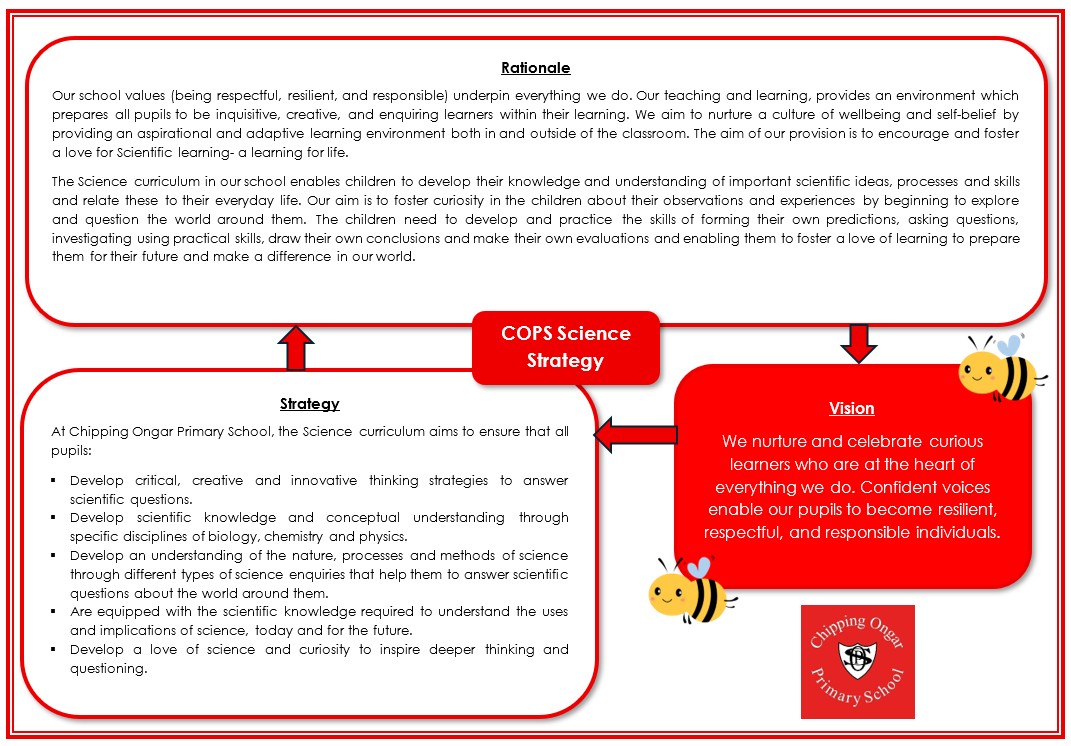
Science
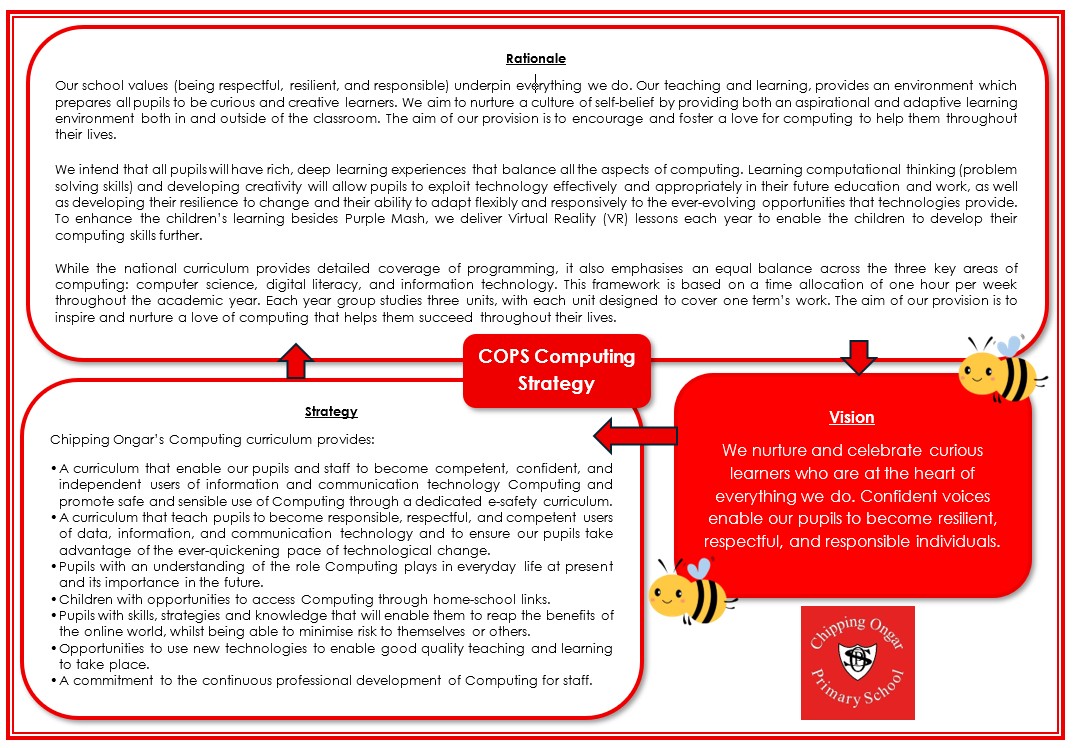
Computing
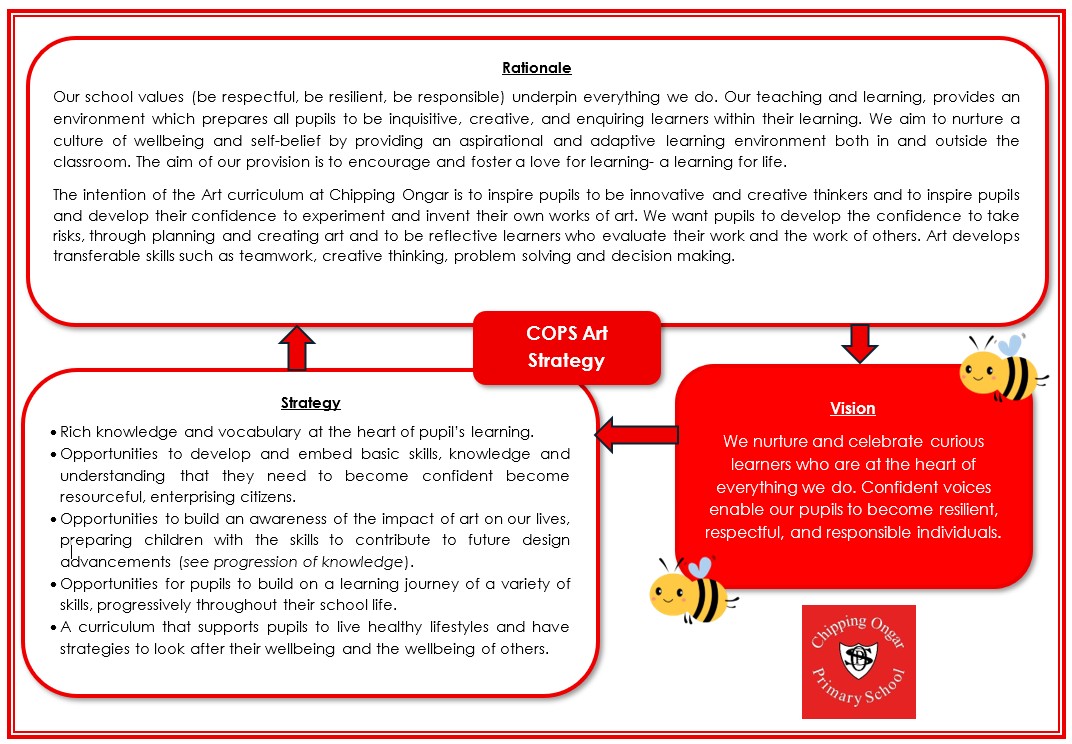
Art
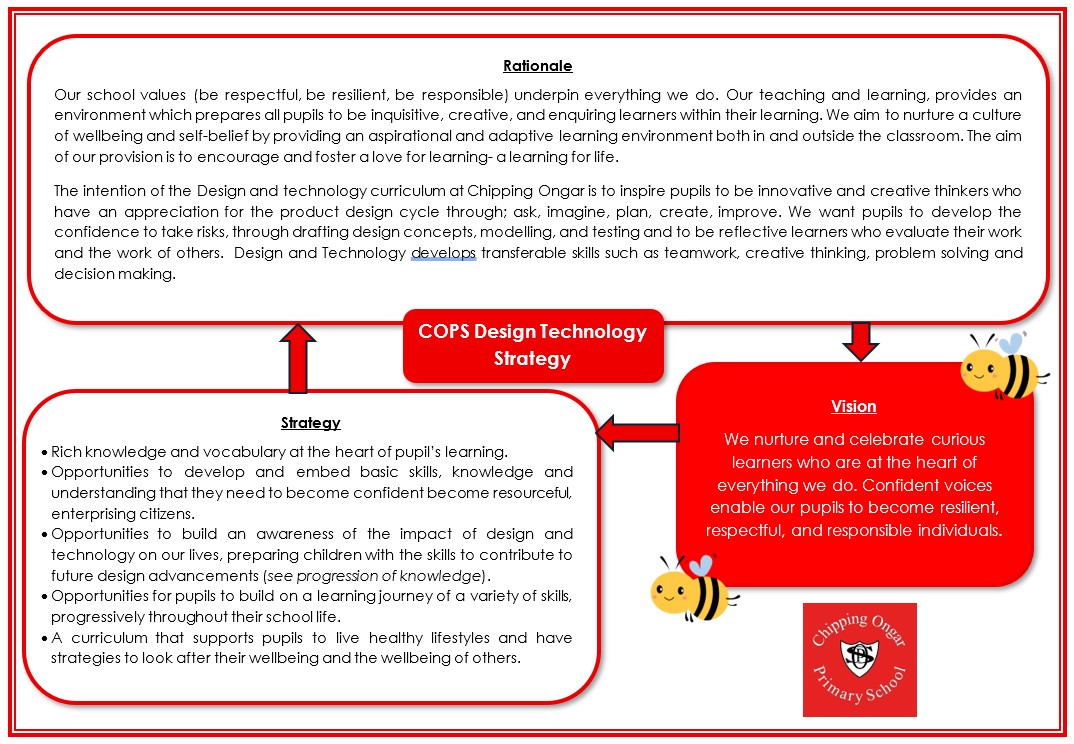
Design Technology
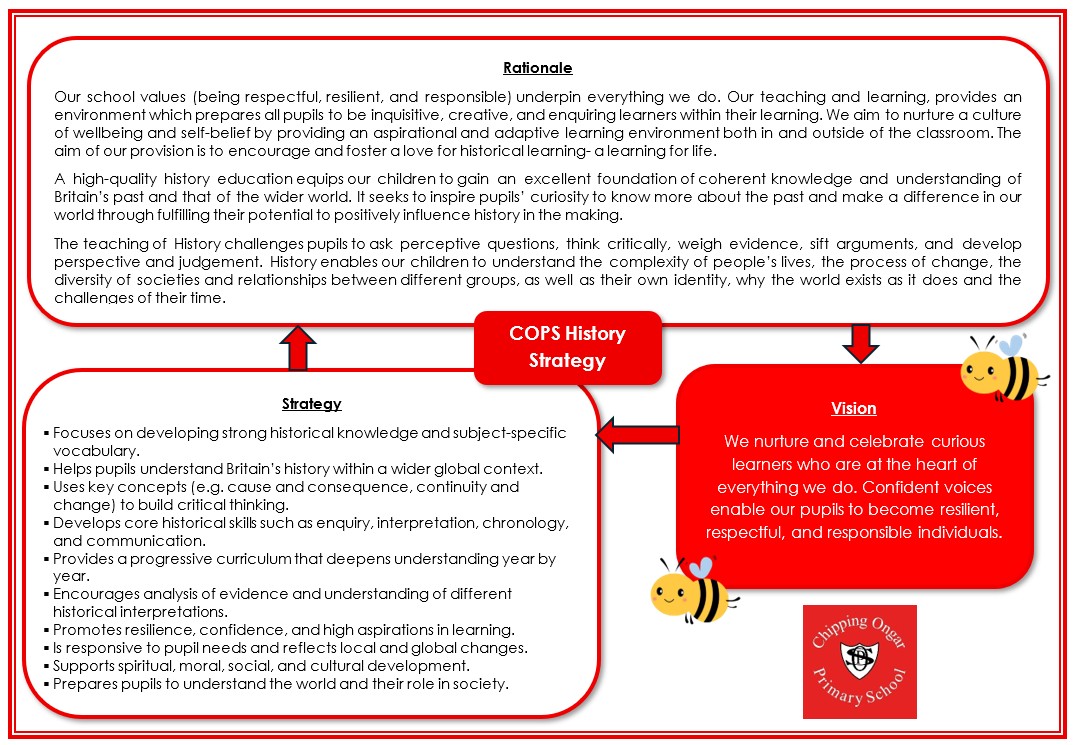
History
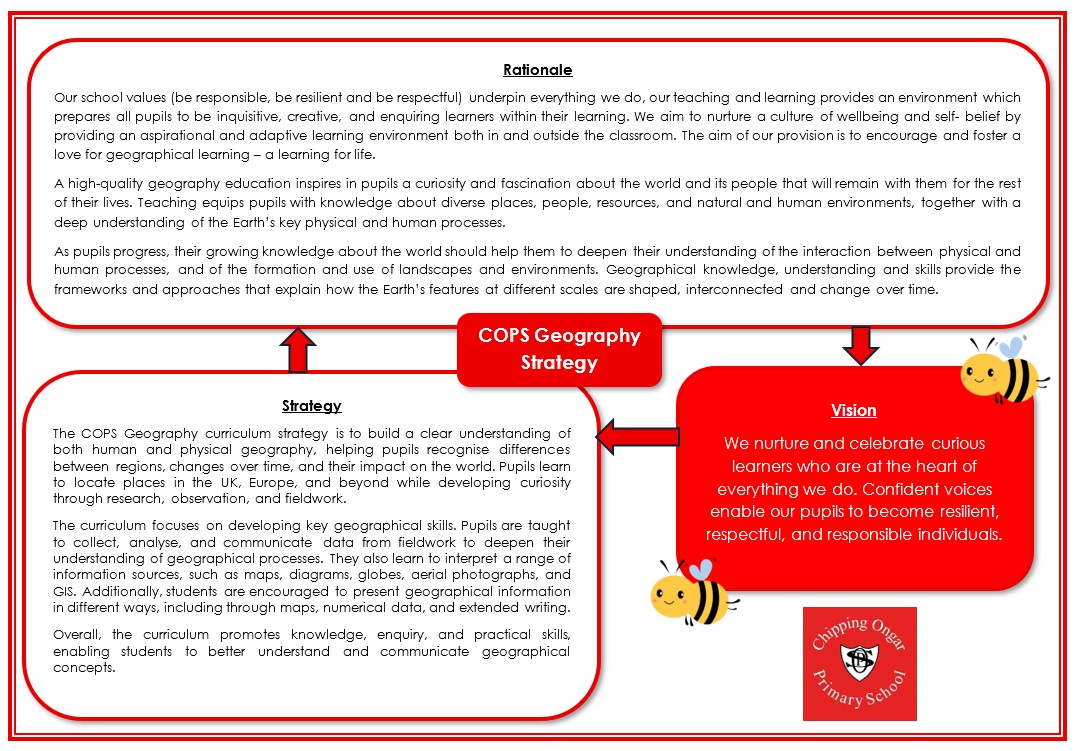
Geography
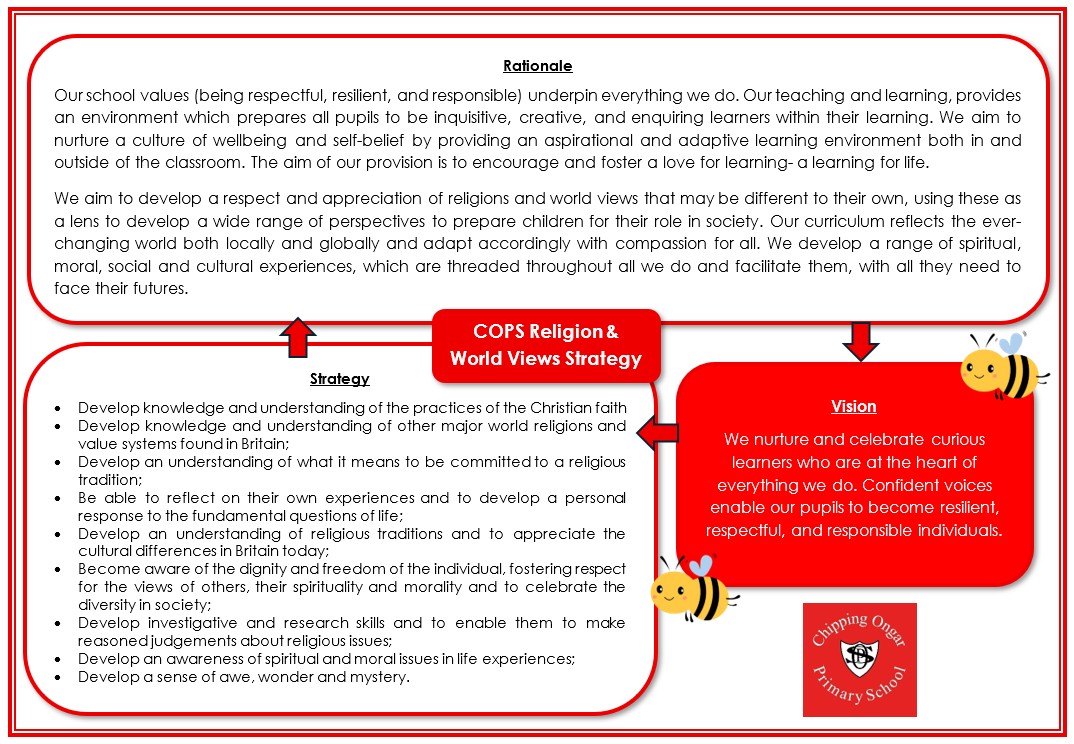
Religion and World Views
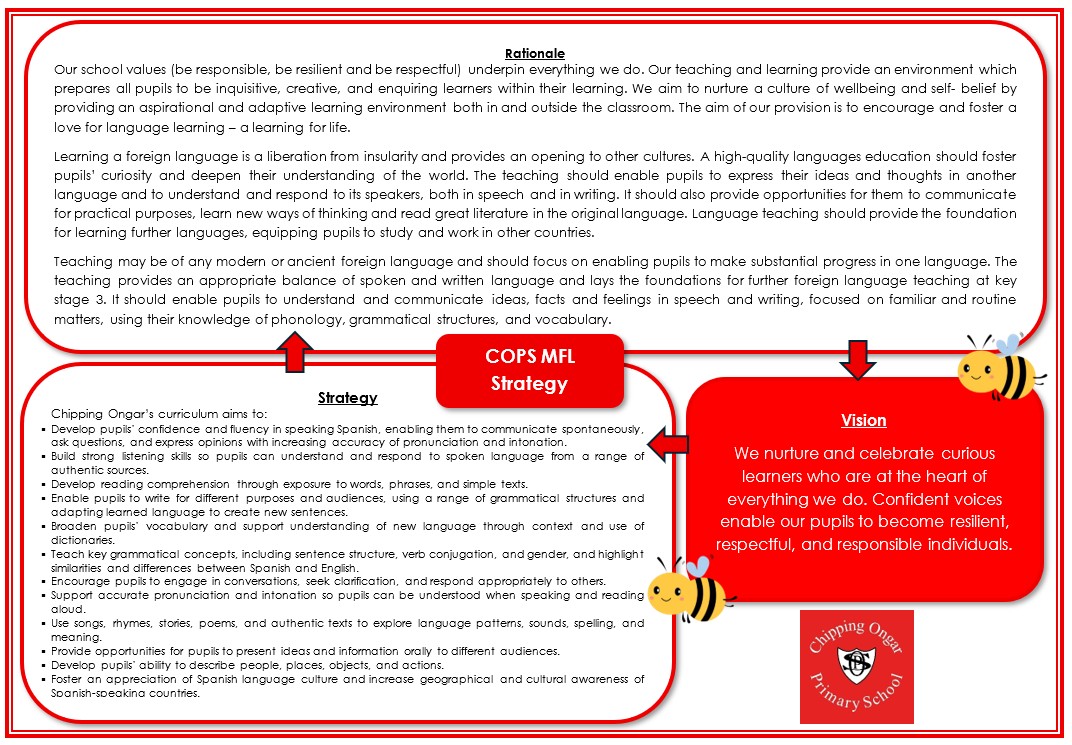
MFL - Spanish
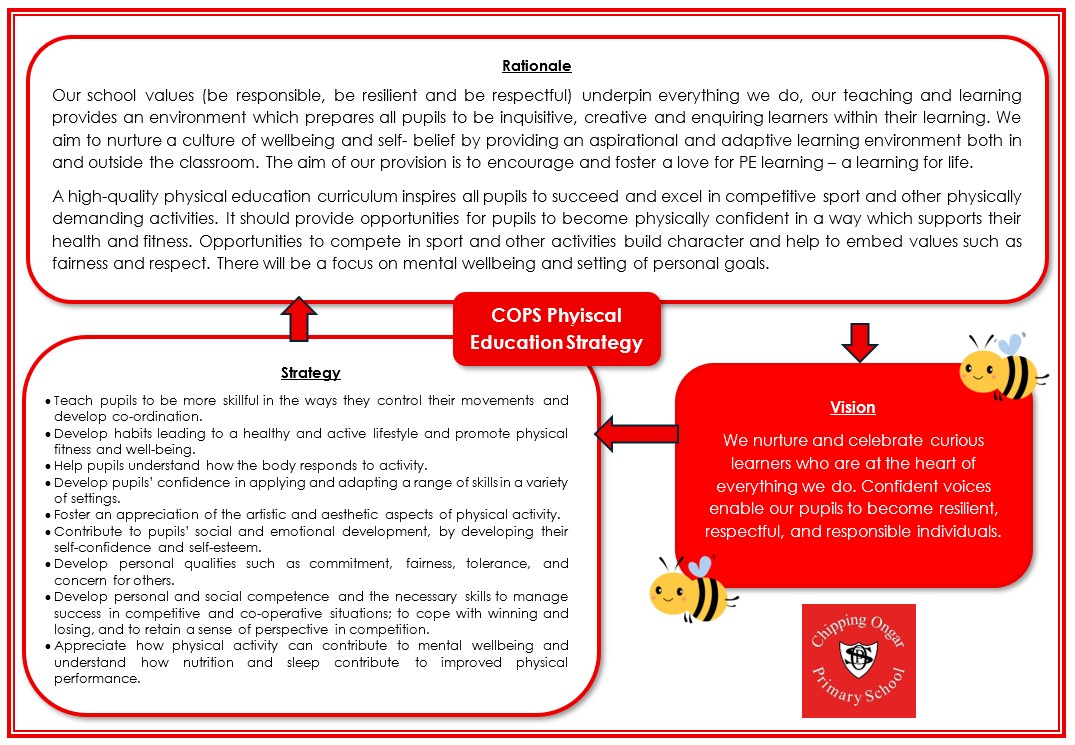
Physical Education
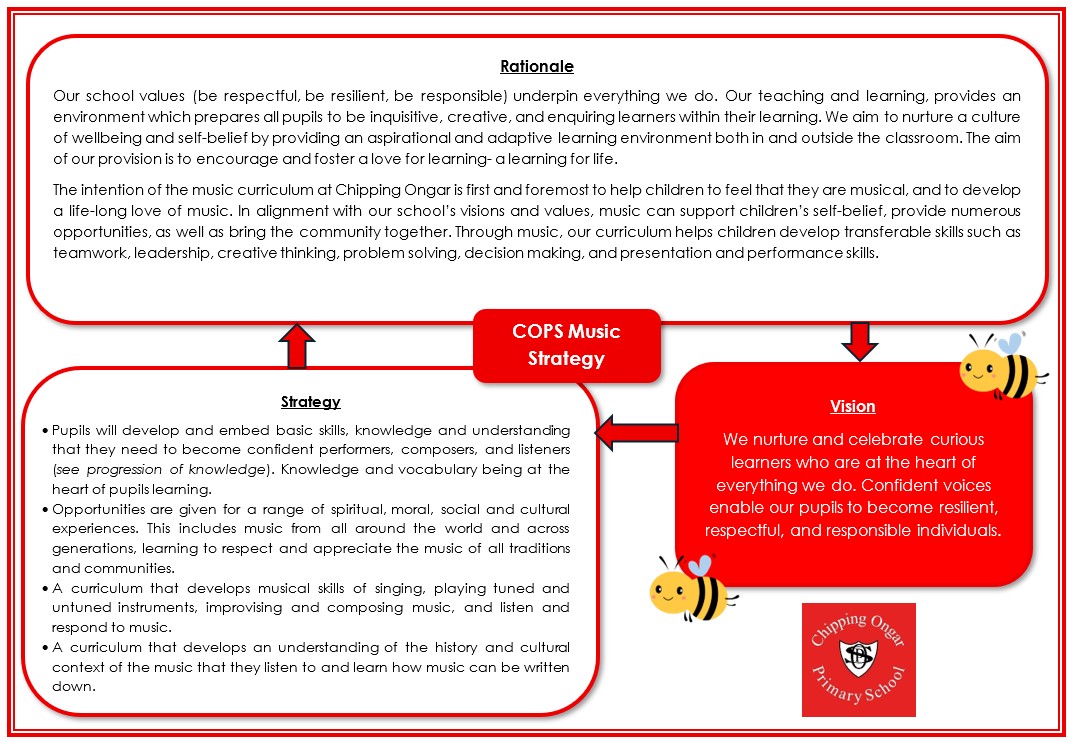
Music
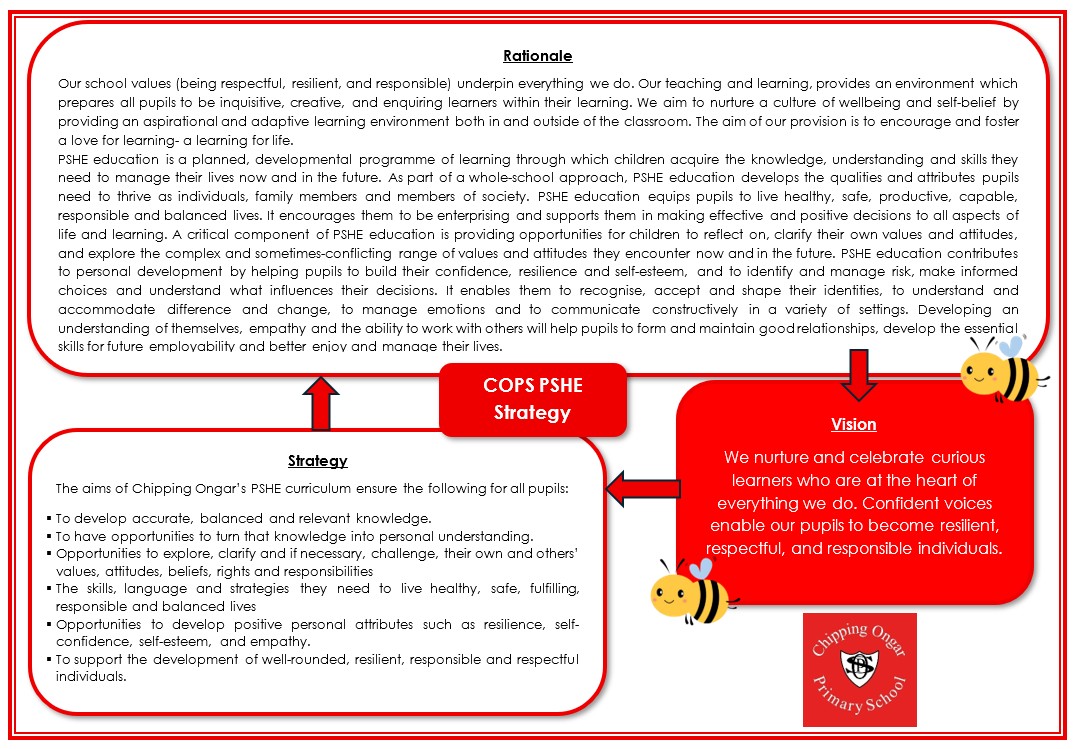
PSHE
BSL
Our British Sign Language (BSL) curriculum is fully integrated throughout the school day, ensuring that all pupils have regular and meaningful opportunities to develop their signing skills. In addition to being taught discretely three times a week, BSL is embedded into daily routines across the school. Assemblies begin with signed greetings, while teachers consistently use signing alongside spoken language to support basic classroom instructions and reinforce behaviour expectations. These key signs are also displayed throughout the school, providing visual reminders that help pupils to build confidence and fluency. This whole-school approach fosters an inclusive environment where communication is accessible to all and BSL becomes a natural and valued part of everyday learning.
Wilderness Wednesday
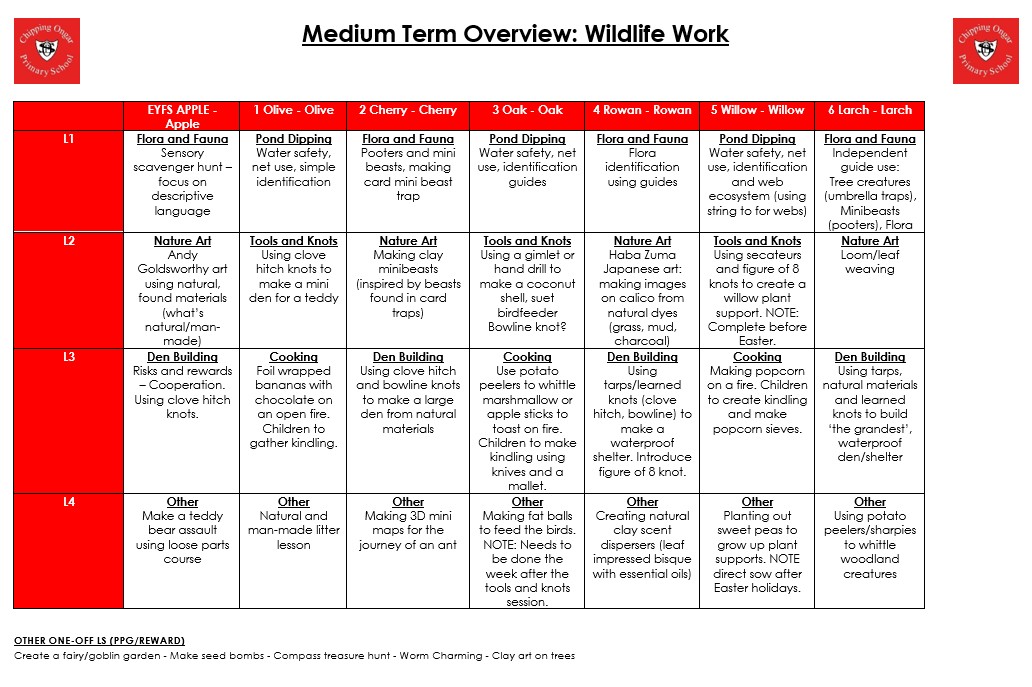
Our Wilderness Wednesday curriculum provides children with valuable opportunities to learn and explore in a natural outdoor environment. Taking place once a week, these sessions encourage pupils to develop confidence, independence, and resilience through hands-on, experiential learning. Children engage in activities such as exploring nature, building shelters, and working collaboratively, while developing important social, physical, and problem-solving skills. Wilderness Wednesdays support both wellbeing and academic development, helping pupils to build a strong connection with the natural world while fostering curiosity, creativity, and a love of learning.
In addition, we offer additional sessions for Pupil Premium pupils through our Wilderness Wednesdays programme. These structured, progressive sessions provide additional enrichment and focus on building confidence, emotional wellbeing, and engagement through practical outdoor activities such as fire cooking, den building, tool use, and wildlife exploration. This targeted support helps pupils to develop resilience, teamwork, and self-regulation, ensuring they feel more confident, engaged, and ready to learn across all areas of the curriculum.

